
African Artists Resisting Singular Interpretation In Their Practice
EDITORIAL
Artists at Art Basel Hong Kong 2026
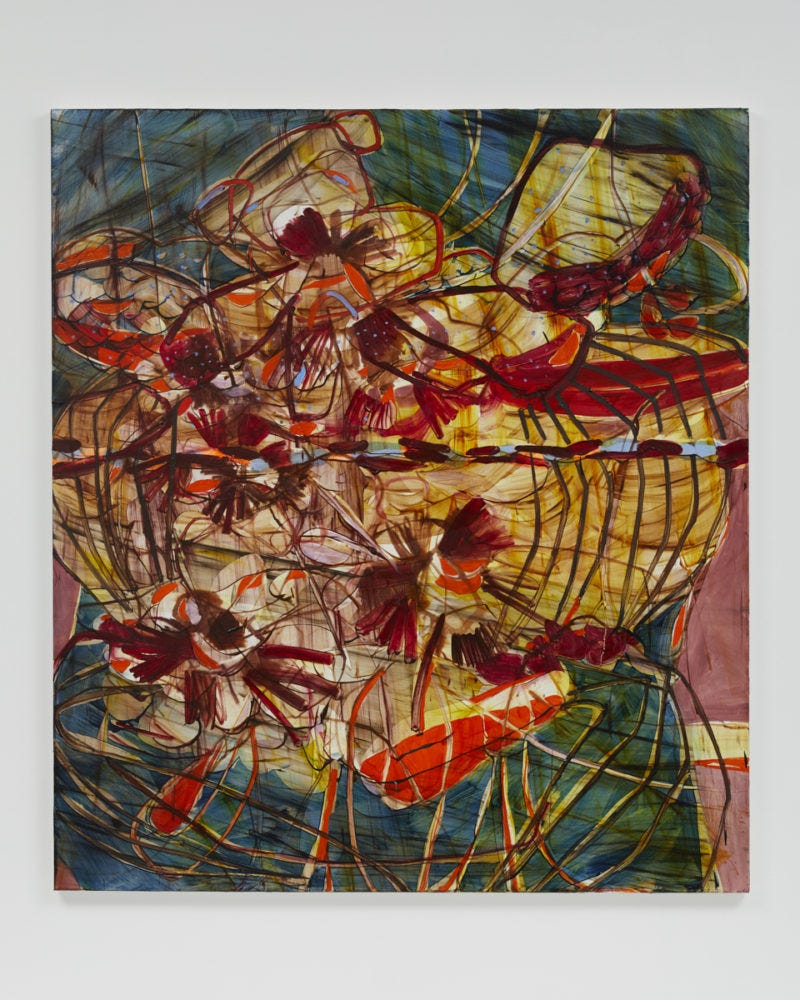
With a record of over 91,000 visitors, Art Basel Hong Kong came to a close on March 29. The 13th edition of the fair, which ran for five days at the Convention and Exhibition Centre, featured 240 galleries from 41 countries and territories, and reported steady sales. David Zwirner reported sales with a 2002 painting by South African artist Marlene Dumas, which sold for $3.5 million. Taka Ishii Gallery sold Jade Fadojutimi’s That day she grieved for the life she never had (2026) for approximately £350,000 ($465,000).
The works of these three artists caught our attention:
Jade Fadojutimi
Nigerian painter Jadé Fadojutimi’s work was presented in a group presentation with Taka Ishii Gallery. Her artistic practice revolves around questions about her own identity and her surroundings. By paying attention to the things that interest her, such as Japanese anime, soundtracks, video games, fashion, and the memories and experiences they evoke, she attempts to find clues to construct a sense of oneself. Interrogating herself incessantly about the fluid nature of identity and how her thoughts, emotions and experiences form her, she reflects on herself and releases her own self through the act of painting. Vivid and brilliant colors in a broad range of concentration and transparency fill up the canvas with brushstrokes in various scales, dots, marks, shapes, and textures. An emotional landscape, drifting between figurative and abstract, emerges with full of energy on the canvas.
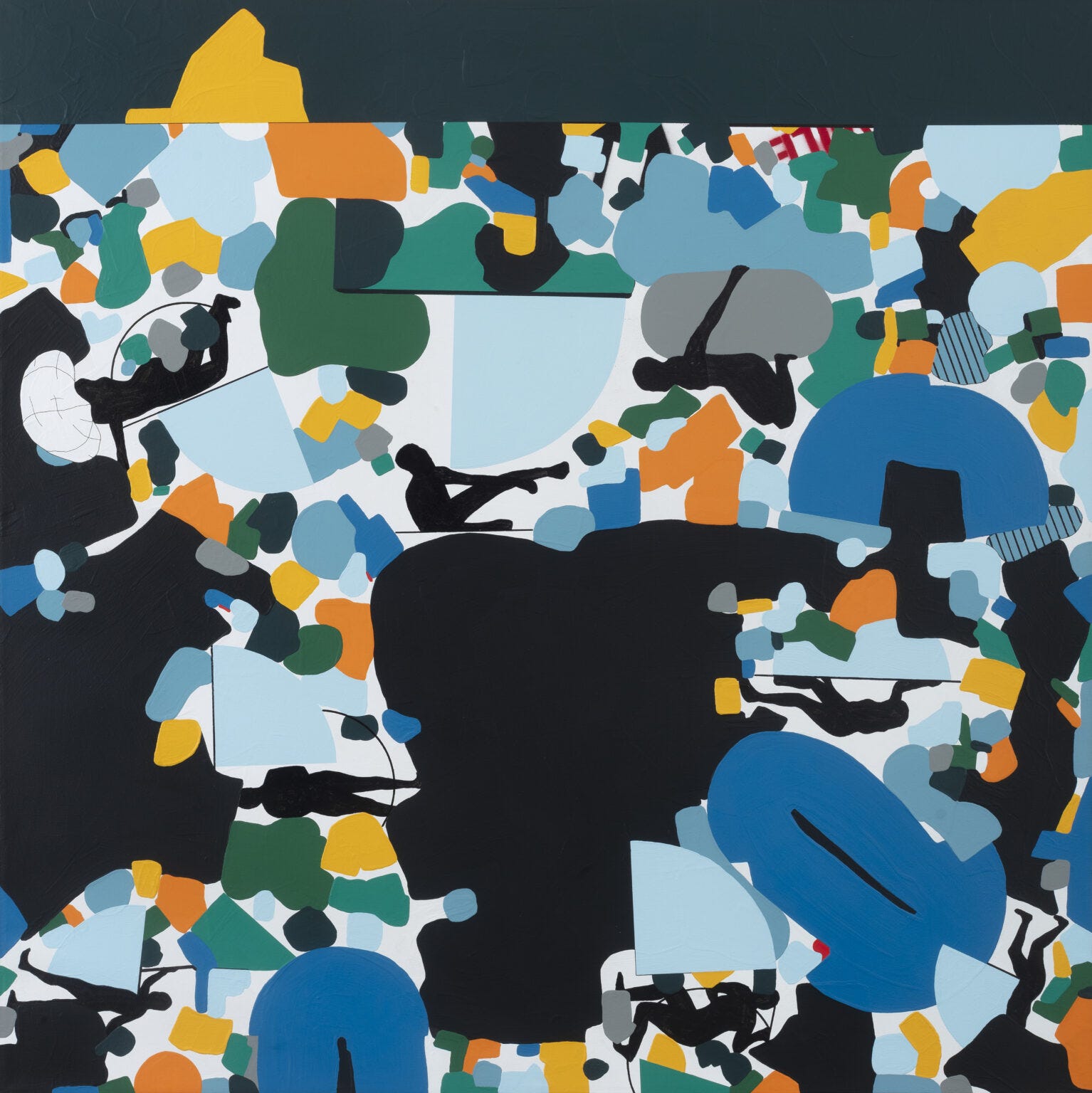
Serge Alain Nitegeka
Featured in a group presentation with Pearl Lam Projects was Rwandan artist Serge Alain Nitegeka, whose works engage with memory, migration, and diasporic experience, addressing themes of displacement and belonging. Working with painting and sculpture and committed to his large-scale, site-specific installations, Nitegeka produces works that address issues of identity sparked by forced migration and cultural and political borders. His installations present obstacles that promote participation in the metaphoric experience: they physically bisect three-dimensional space and use the viewer as a further disruptive variable, resulting in a tableau vivant of sorts. Nitegeka’s acute, investigatory aesthetic sense places him within the rich art historical cadre of minimalism and abstraction, while the larger concepts he tackles resonate in the atmosphere of today’s global politics.
Keep reading with a 7-day free trial
Subscribe to OMENAI Insider to keep reading this post and get 7 days of free access to the full post archives.